Older Zionsville, IN, Home Electrical Checklist: What a Residential Electrician Inspects
An older Zionsville home often needs an electrical check. Signs include knob-and-tube or aluminum wiring, a fuse box, two-prong outlets or flickering lights. A residential electrician inspects the wiring, outlets, panel, smoke detectors and lighting.
The inspection tells you what is safe, what is outdated and what to fix first. Zionsville's historic village homes, established neighborhoods and larger estates age in different ways. Use this checklist to know what to look for before you call.
Zionsville Home Electrical Checklist at a Glance
• Wiring type: knob-and-tube, aluminum or cloth-covered cable
• Outlets: two-prong receptacles, loose plugs, warm cover plates
• Grounding and GFCI protection in kitchens, baths, garages and outdoors
• Panel: fuse box, tripping breakers, rust or a panel too small for today's loads
• Smoke detectors: age, placement and interconnection
• Lighting: flickering, dimming, buzzing and overloaded fixtures
• Evidence of past DIY or unpermitted work
Knob-and-Tube and Other Early Wiring
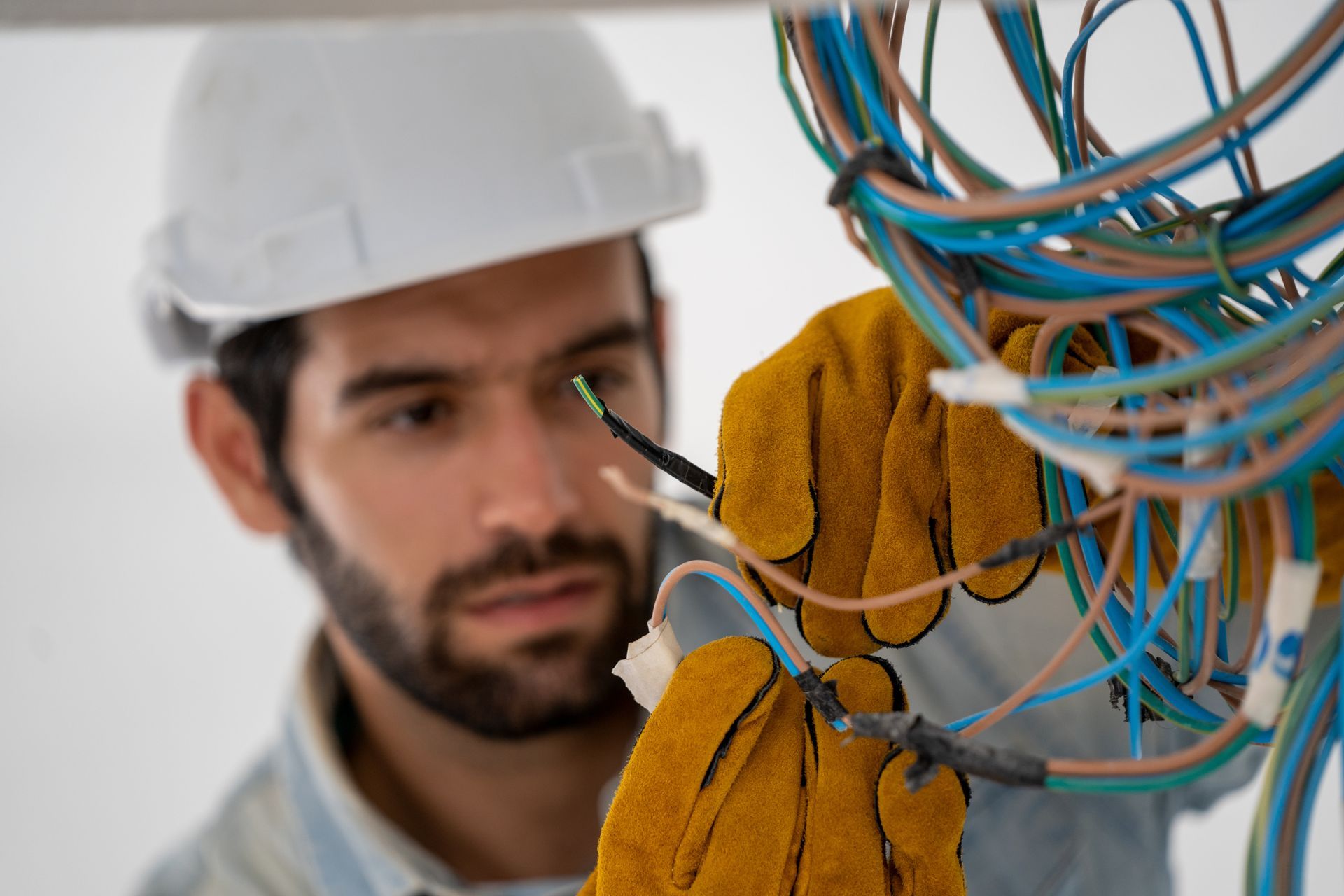
Knob-and-tube wiring uses single wires run through ceramic knobs and tubes. It appears in some of the oldest homes. It has no ground wire, and it was not built for modern appliances or insulation packed around it.
What an Electrician Checks
• Attics, basements and wall cavities for old wiring
• Splices into newer circuits
• Insulation that may be cracked or worn
• Cloth-covered cable, which can mean wiring near the end of its life
Aluminum Wiring
Some homes built in the 1960s and 1970s have aluminum wiring. Aluminum expands and loosens at connections over time. That can lead to heat at outlets and switches.
A residential electrician checks the wire markings and looks for loose or discolored connections. Then the electrician suggests a repair method that suits the home.
Warning Signs to Watch For
• Warm outlet or switch plates
• Discolored cover plates
• Odd smells near outlets
If you notice any of these, stop using that outlet and call an electrician.
Outlets, Grounding and GFCI Protection
Two-prong outlets usually mean there is no ground wire. An electrician tests each outlet for correct wiring and grounding. The electrician also checks for GFCI protection, which cuts power fast to prevent shocks.
Where GFCI Protection Is Needed
• Kitchens
• Bathrooms
• Garages and basements
• Outdoor outlets
Basement finishes and kitchen updates add load to circuits that may be decades old. Ask about added circuits for offices, garages and kitchen appliances.
Panel Capacity
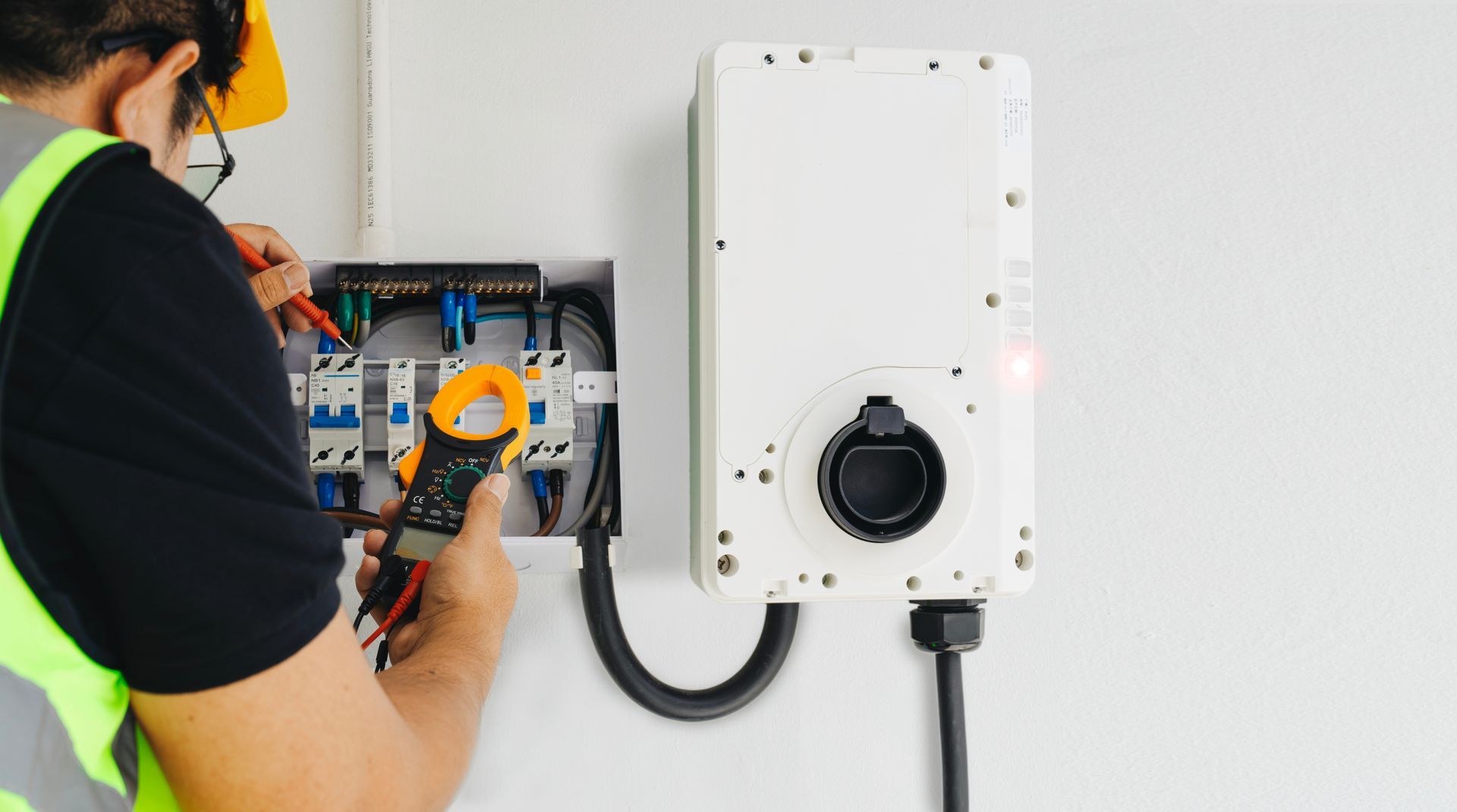
The panel is the heart of the system. An older panel may struggle with EV charging, smart home equipment and high-end appliances. Some older panel models also have known problems.
Common Panel Red Flags
• A fuse box
• Two wires on one breaker
• Scorch marks or rust
• An overcrowded cabinet
• Breakers that trip often
If your panel is on the older side, a load check tells you whether it needs an upgrade.
Smoke Detectors
Detectors expire, and many older homes have too few of them. An electrician checks the age and placement of each unit. The electrician also checks that the alarms are linked so one sounds them all.
Quick Safety Tips
• Replace any unit that is past its rated life
• Test each detector monthly
• Add detectors in bedrooms and hallways
Lighting
Flickering, dimming or buzzing lights often point to a loose connection, an overloaded circuit or a failing fixture. In older homes, recessed lights packed with insulation and ceiling fixtures on aged wiring need a closer look. If you are adding outdoor or landscape lighting, an inspection confirms the circuit can carry it safely.
How Is Old Wiring Checked During a Home Electrical Inspection?
A home electrical inspection is a visual and test-based review. The electrician usually follows these steps:
1. Open the panel
2. Trace the circuits
3. Test the outlets
4. Look in accessible attics and basements
5. Note any wiring that does not meet current Indiana electrical code
You receive a plain explanation of what was found and which items are urgent. Burtner Electric offers free estimates on new work, so you can plan repairs before they begin.
When Should You Rewire a House?
Rewiring makes sense in a few cases:
• The wiring is active knob-and-tube
• Aluminum connections cannot be repaired safely
• Insulation is brittle
• Many circuits show damage
Partial rewiring is sometimes enough, such as replacing one overloaded circuit or a section of old cable. The right answer depends on the condition of the home, so let an electrician look before you decide.
Do You Need a Permit?
Rewiring and major panel work typically need a permit. A licensed electrician manages that process. Confirm the details with the local building department.
When to Call a Residential Electrician Right Away
Call the same day if you notice any of these signs:
• Sparking
• A burning smell
• A hot outlet or panel
• Power loss in part of the house
• Frequent breaker trips
What to Do While You Wait
Turn off the main breaker if you can reach the panel safely. Keep people and pets away, and do not attempt repairs. Burtner Electric responds around the clock.
Schedule an Electrical Inspection in Zionsville
If your home is more than a few decades old, a professional check gives you a clear picture before you renovate, sell or buy. Learn more about our residential electrician services in Zionsville. Call (317) 773-7663 for a free estimate. You can also find us on our Google Business Profile.